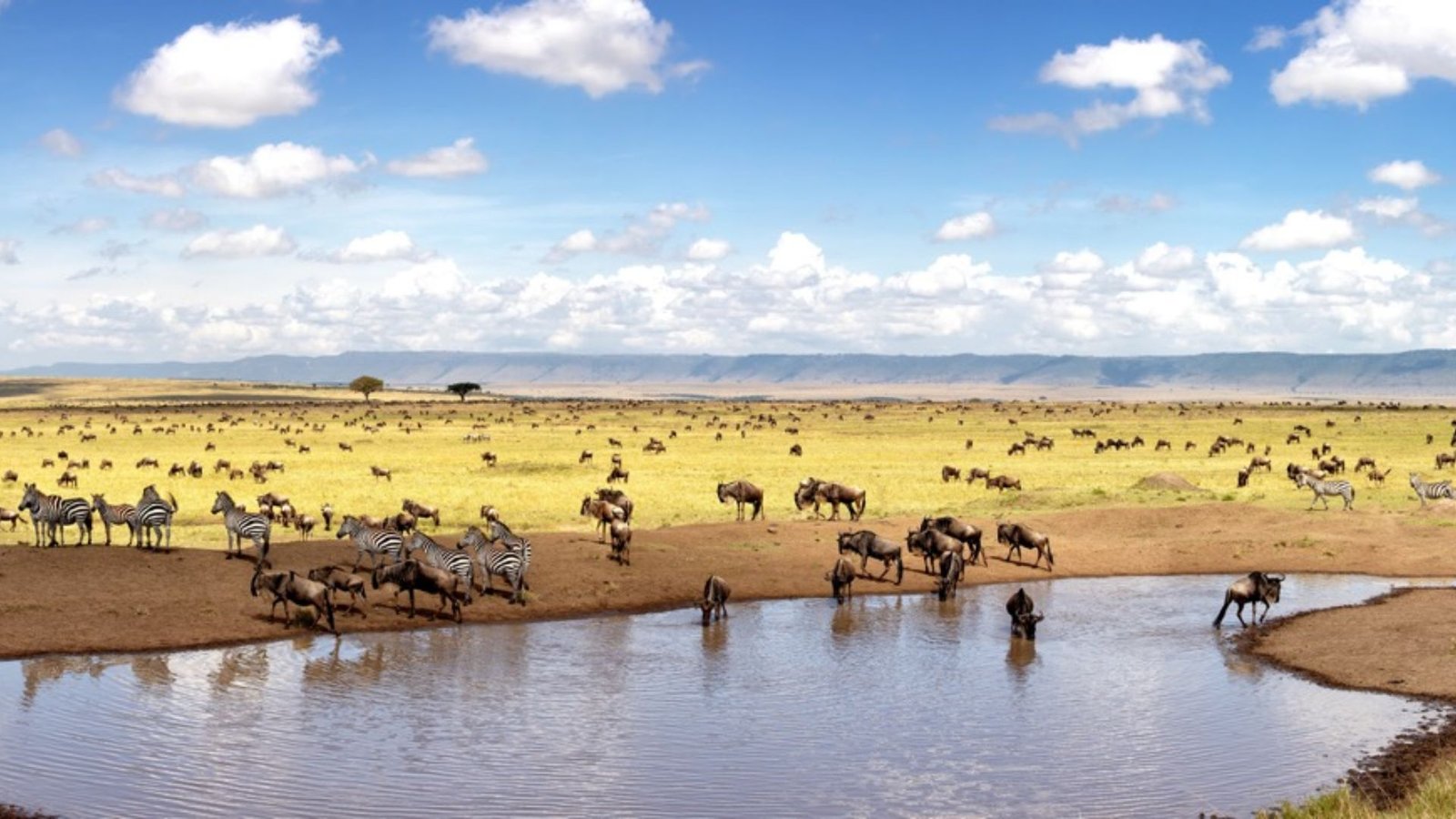
Responsible safari travel starts with where your money goes. Community-owned conservancies bordering major reserves, such as those adjoining the Maasai Mara, return a direct share of tourism revenue to local Maasai landowners rather than a distant operator.
Look for camps that publish clear conservation partnerships — anti-poaching unit funding, habitat restoration projects, or research support — rather than vague sustainability language with no specifics attached.
Employment practices matter as much as environmental ones: ask whether guides, camp staff and trackers are hired locally and trained into senior roles, or whether management positions are consistently filled from outside the region.
Simple on-trip choices add up too — refilling water bottles instead of buying single-use plastic, keeping a respectful distance from wildlife regardless of what other vehicles do, and asking permission before photographing people in villages you visit.
We vet every camp and operator in our network against these standards before adding them to an itinerary, and we're happy to share the specifics behind any property we recommend.
"The best safari plan is the one built around your pace, not a fixed template — ask questions until your itinerary reflects exactly that."
Ready to plan your own trip?
Get a free custom quote from an Africa Tripees specialist.